

Complexity rarely fails inside a system. It fails between systems.
Established enterprises do not lack technology. They lack a trusted line from signal to decision when data, ownership, and action cross operating boundaries. That is where we work.
The operating problem, made visible.
Public disclosures reveal the cost of familiar enterprise failure modes. We use those facts to show the system we would build in an analogous environment. These companies are not Fitzroy clients.

The price of supply-chain fragility.
A $4.5 billion inventory facility makes the economics of operational visibility unusually clear.

When data becomes a control failure.
If a number cannot be traced, challenged, and reproduced, it is no longer only a data problem.
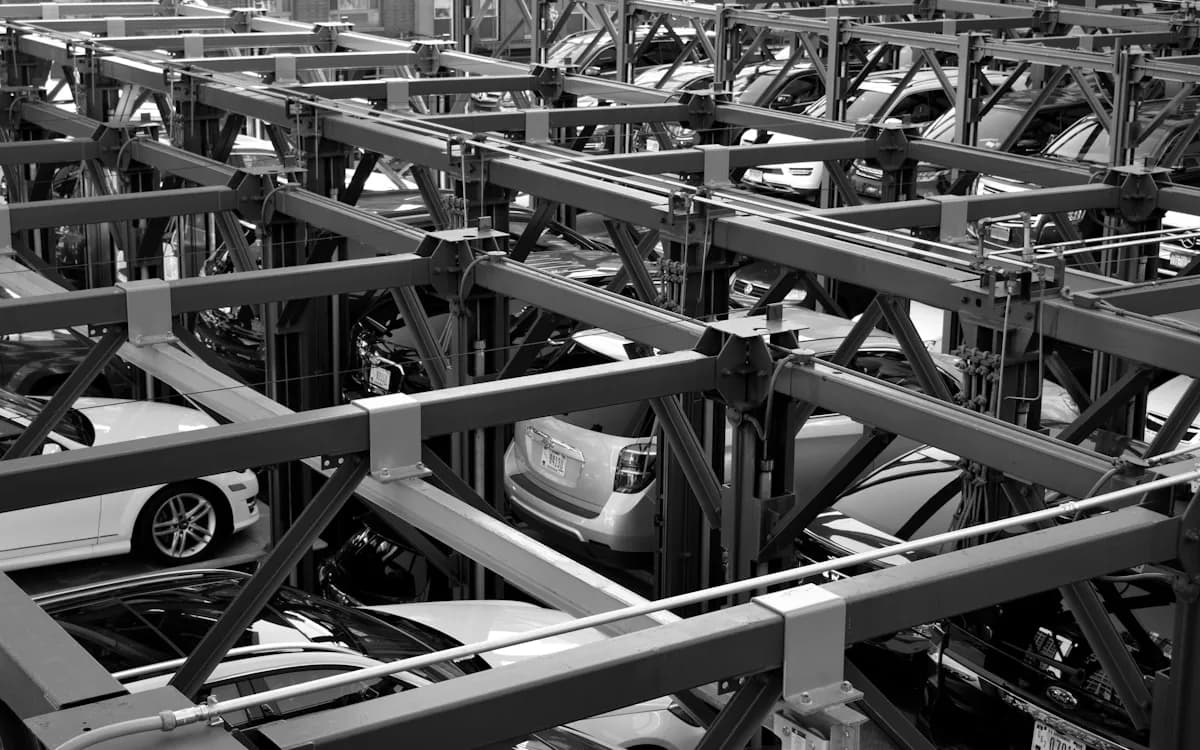
The nine months between knowing and fixing.
A claims pattern crossing a threshold and a defined, dealer-ready recall population are not the same moment.

The order book is not the constraint.
When the supply base sets the production ceiling, allocation becomes an enterprise decision system.
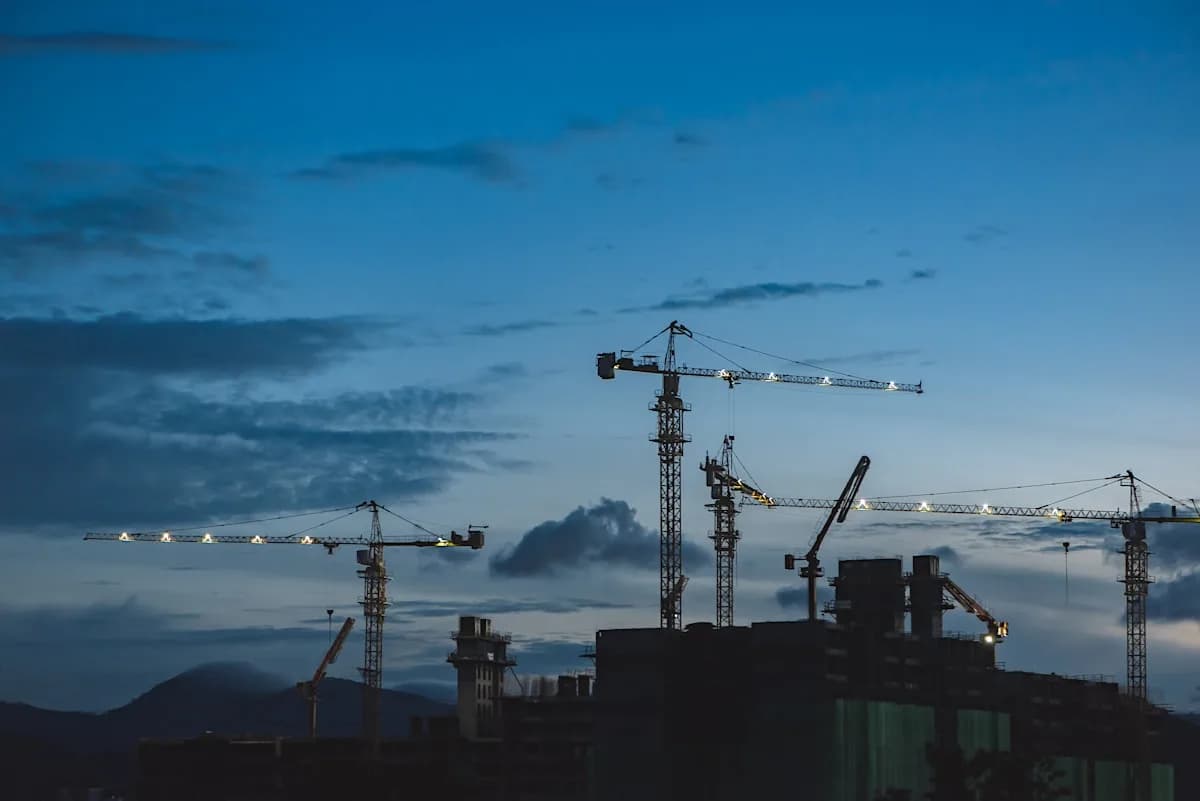
Margin leaks before the report sees it.
Cost and schedule variance first appears in field evidence, correspondence, and unresolved change.
The answer is specific to the operating decision.
We preserve the systems that hold the record, then build the decision layer that moves trusted context between them.
AI interprets ambiguity. Controls govern consequence. People retain the decisions that require judgment.
Good architecture should make the business easier to run.
Focused build, modernization program, or operating platform.
Companies named on this page are referenced as public examples of industry-wide operating problems. They are not Fitzroy clients, partners, or endorsers.